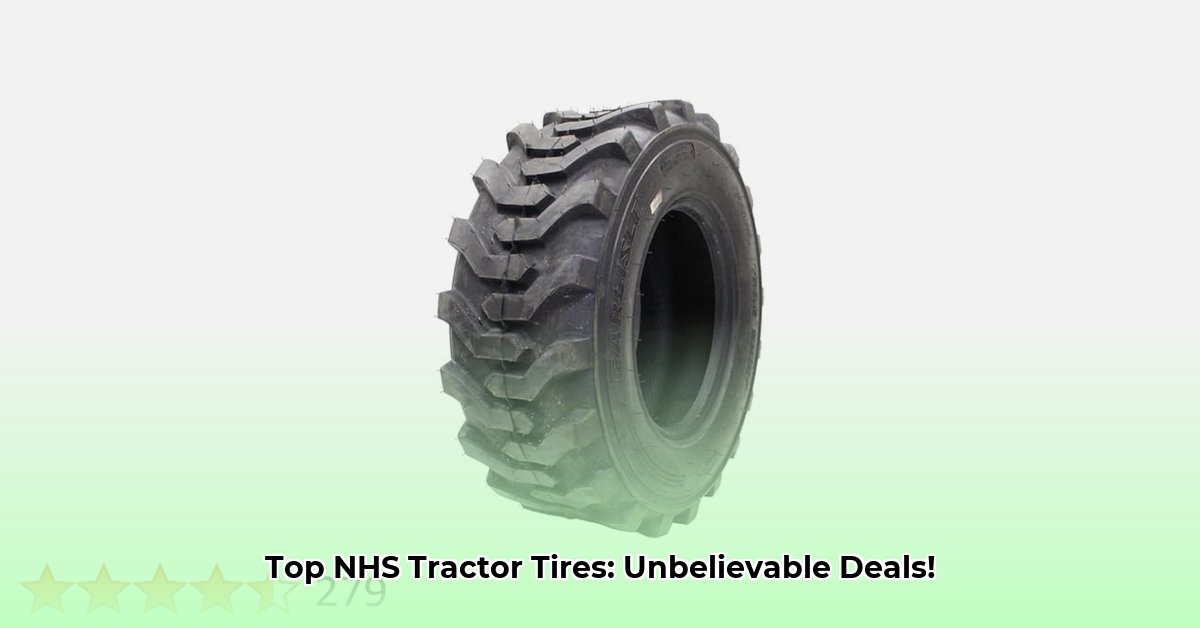
Understanding the 10-16.5 NHS Tractor Tire Market
Choosing the right tractor tires is crucial for farm efficiency, profitability, and environmental sustainability. This article focuses on 10-16.5 NHS tractor tires, a popular size widely used in agriculture. While online marketplaces like Amazon highlight high demand, indicated by numerous listings and "Amazon's Choice" designations, detailed technical specifications remain surprisingly scarce. This lack of readily available, comparative data hinders informed decision-making for farmers, retailers, and tire manufacturers alike. For more detailed information, check out this helpful resource: tractor tire data. How can we bridge this information gap to improve sustainability and efficiency in agriculture?
Key Technical Specifications and Performance Metrics
Several key performance indicators directly impact a tire's sustainability and economic viability. These include:
Rolling Resistance: Lower rolling resistance translates to reduced fuel consumption, saving money and lowering greenhouse gas emissions. A lower number is better.
Traction: Optimal traction is essential for efficient fieldwork, minimizing slippage and fuel waste while preventing soil compaction (damage to soil structure).
Tire Lifespan: A longer lifespan reduces the frequency of replacements, saving money and reducing waste associated with tire disposal.
Load Capacity: The maximum weight a tire can safely carry, critical for matching tire selection to the tractor's capabilities and typical loads.
Construction: The materials and construction methods (radial, bias-ply) impact durability, puncture resistance, and overall lifespan.
Unfortunately, comprehensive performance data comparing different 10-16.5 NHS tire brands isn't readily accessible. This makes a true apples-to-apples comparison a significant challenge. Isn't it frustrating to lack this data when making such important purchasing decisions?
Sustainability: Beyond Tire Performance
Sustainability extends beyond individual tire performance. Consider these broader factors:
Manufacturing Processes: Sustainable manufacturing practices minimizing environmental impact should be prioritized. Transparency in disclosing these processes is crucial for informed consumer choices.
Material Composition: Tires made with recycled rubber or bio-based compounds reduce reliance on virgin materials and lessen environmental impact. Recyclability at the end of the tire's lifespan is also vitally important.
Tire Disposal: Responsible end-of-life management, including recycling programs, significantly reduces the environmental footprint of tractor tires. What are the best practices for responsible disposal in your region?
Stakeholder Perspectives: Actionable Insights
Farmers: Soil conditions and workload directly influence tire selection. Careful consideration of tire cost, lifespan, and fuel savings is vital. Choosing the right tire can improve efficiency and profitability of your operations.
Agricultural Retailers: Providing customers with detailed information on tire specifications and sustainability features builds trust and enhances customer decision-making. Acting as knowledgeable advisors rather than just sellers creates customer loyalty.
Tire Manufacturers: Investment in R&D for sustainable materials and manufacturing processes is essential for long-term success and environmental responsibility. This transparency builds trust with customers and helps establish a brand reputation for sustainability.
A Step-by-Step Guide to Choosing Sustainable 10-16.5 NHS Tractor Tires
- Assess your needs: Carefully evaluate your soil type, tractor size, typical workload, and budget.
- Research tire options: Explore tires emphasizing low rolling resistance, high traction, long lifespan, and minimal soil compaction.
- Compare specifications: Pay close attention to load capacity, inflation pressure requirements, tread pattern, and construction type.
- Investigate manufacturer reputation and sustainability initiatives: Prioritize manufacturers with a strong commitment to sustainable practices and transparent reporting.
- Calculate long-term cost: Factor in purchase price, expected lifespan, and potential fuel savings to determine the overall economic value.
- Make an informed decision: Choose tires that meet your specific needs while promoting farm sustainability and profitability.
Key Takeaways: Prioritizing Sustainability
Selecting suitable 10-16.5 NHS tractor tires is crucial for sustainable and profitable farming. Key factors influencing your choice include rolling resistance, traction, lifespan, and soil compaction. Thorough research into tire construction, materials, and manufacturing processes is also vital for environmental responsibility. Finally, transparency from manufacturers regarding their sustainability initiatives is paramount. By prioritizing these considerations, farmers can enhance operational efficiency and contribute to environmentally responsible agricultural practices.